
Xinachtli (sheen-ach-tlee / ʃinaːtʃtɬi)
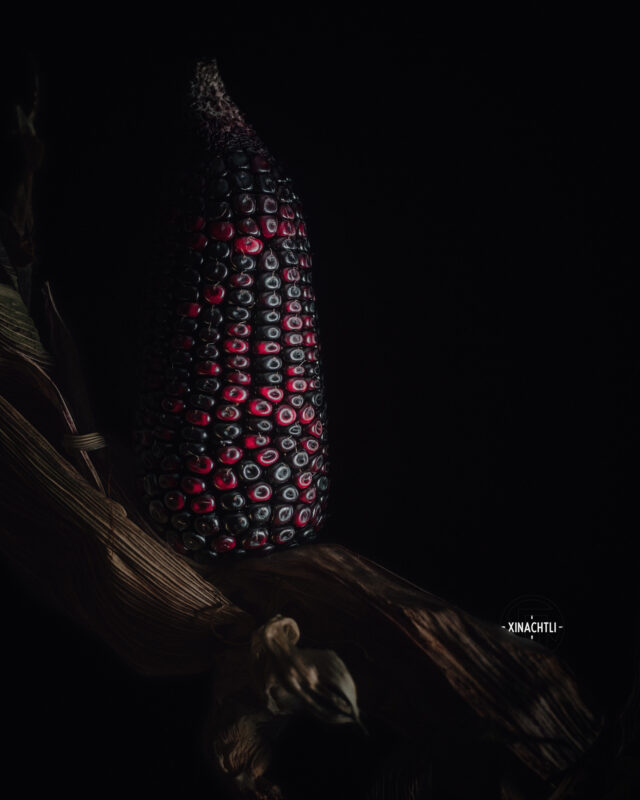
The word comes from Nahuatl. It means seed.
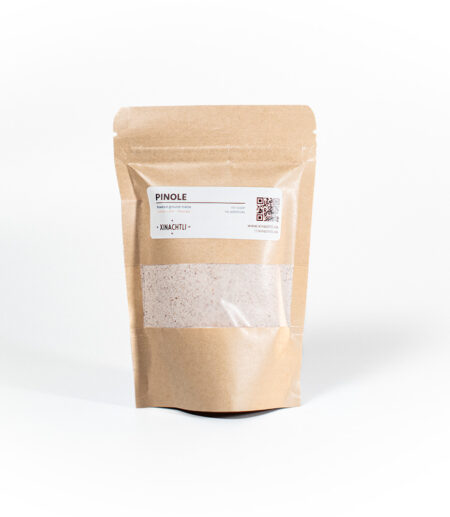
We make nixtamalized corn tortillas, masa, mole, pinole, cacao spreads, and herbal teas in East Vancouver, on unceded Coast Salish Territory.
Everything starts with native, non-GMO heirloom maize sourced from small farmers across Mexico (Oaxaca, Tlaxcala, Morelos, Estado de México, Chiapas, Michoacán).

What We Do and Why It Matters
Most commercial tortillas are made from industrial corn flour: rushed, refined, hybrid, loaded with preservatives. They’re pale, bland, and stripped of the nutrients that corn is supposed to carry.
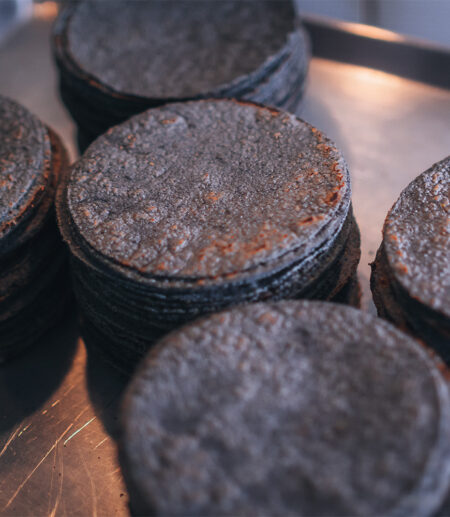
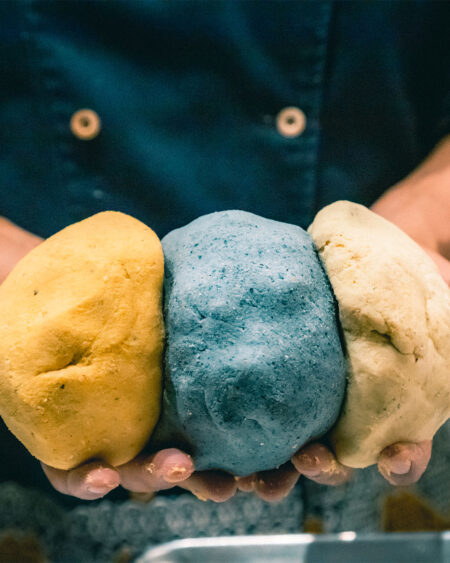
Our tortillas are made from scratch using three ingredients: corn, water, and limestone. The corn is cooked in a limestone solution, rested, stone-ground into masa, hand-formed, and cooked on a comal.
This is nixtamalization, a process developed thousands of years ago across Mesoamerica that transforms corn at a molecular level, making nutrients like niacin and calcium bioavailable while creating flavor, aroma, and texture that industrial flour can’t replicate.
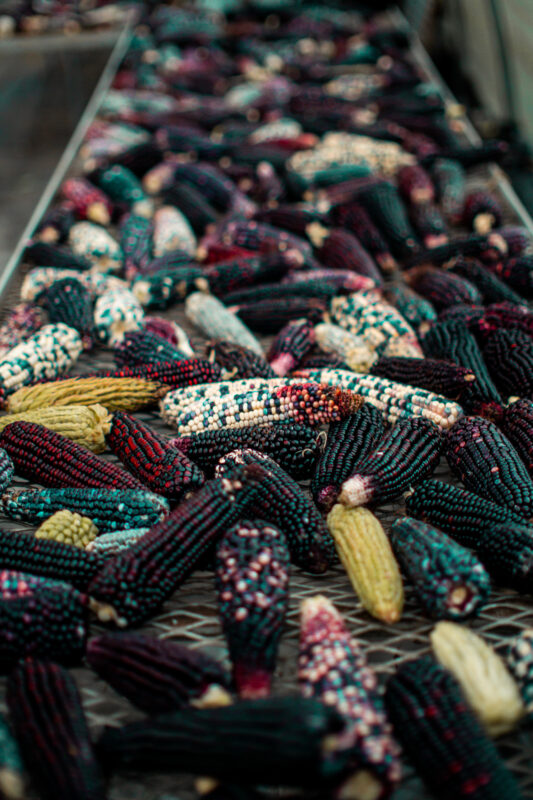
We work with different native varieties across a wide range of colors, textures, and flavor profiles. Each one behaves differently in the nixtamalization process: different hydration, different limestone ratios, different yields. We track all of it. The corn isn’t a commodity to us. It’s a living ingredient with history, and we treat it that way.
How We Work
Every batch is logged. We track corn varietals, hydration levels, limestone ratios, yields, and waste.
We built our own internal systems to manage production, orders, inventory, and analytics. The goal isn’t scale for its own sake. It’s clarity, traceability, and learning from the data so the product keeps getting better.
We Care About
Process over shortcuts. Nixtamalization takes time. There’s no way to rush it and get the same result. We don’t try.
Food sovereignty. The corn we use comes from small-scale farmers preserving native seed varieties. Supporting their work means supporting the survival of agricultural knowledge that’s been under threat for decades.
Education. We teach workshops, share process details, and are building toward a deeper body of educational work around nixtamalization, corn science, and traditional food preparation. We want people to understand why the process matters, not just to buy the product.
Integrity over hype. Short ingredient lists. Transparent processes. No filler language. If we can’t explain exactly what’s in something and how it was made, we don’t sell it.


Who’s Behind This
My name is Luis Almazan. I trained as an Executive Chef in Mexico City, where the curriculum was mostly Eurocentric. It gave me solid technique, but it didn’t teach me much about the food traditions of my own country.
That came later. Years after culinary school, in Oaxaca, I learned the nixtamalization process for the first time and began to understand the depth of what traditional Mexican food preparation actually involves.
That discovery felt personal. My paternal grandmother used to sell tamales in downtown Mexico City before I was born. I never got the chance to learn from her, but I feel that connection.
Xinachtli, in many ways, is my attempt to honor her work and the knowledge she carried.
I also spent years working in visual effects on feature films. That experience shaped how I think about systems, documentation, and precision. I track variables, build tools, and approach production with the same rigor I brought to technical work.
I started Xinachtli because I saw a gap. Vancouver had plenty of Mexican-inspired food, but almost nothing made with native corn, real nixtamalization, or any connection to the agricultural and cultural knowledge behind it. I wanted to fill that gap, not with marketing, but with the actual work.
Growing Corn Here
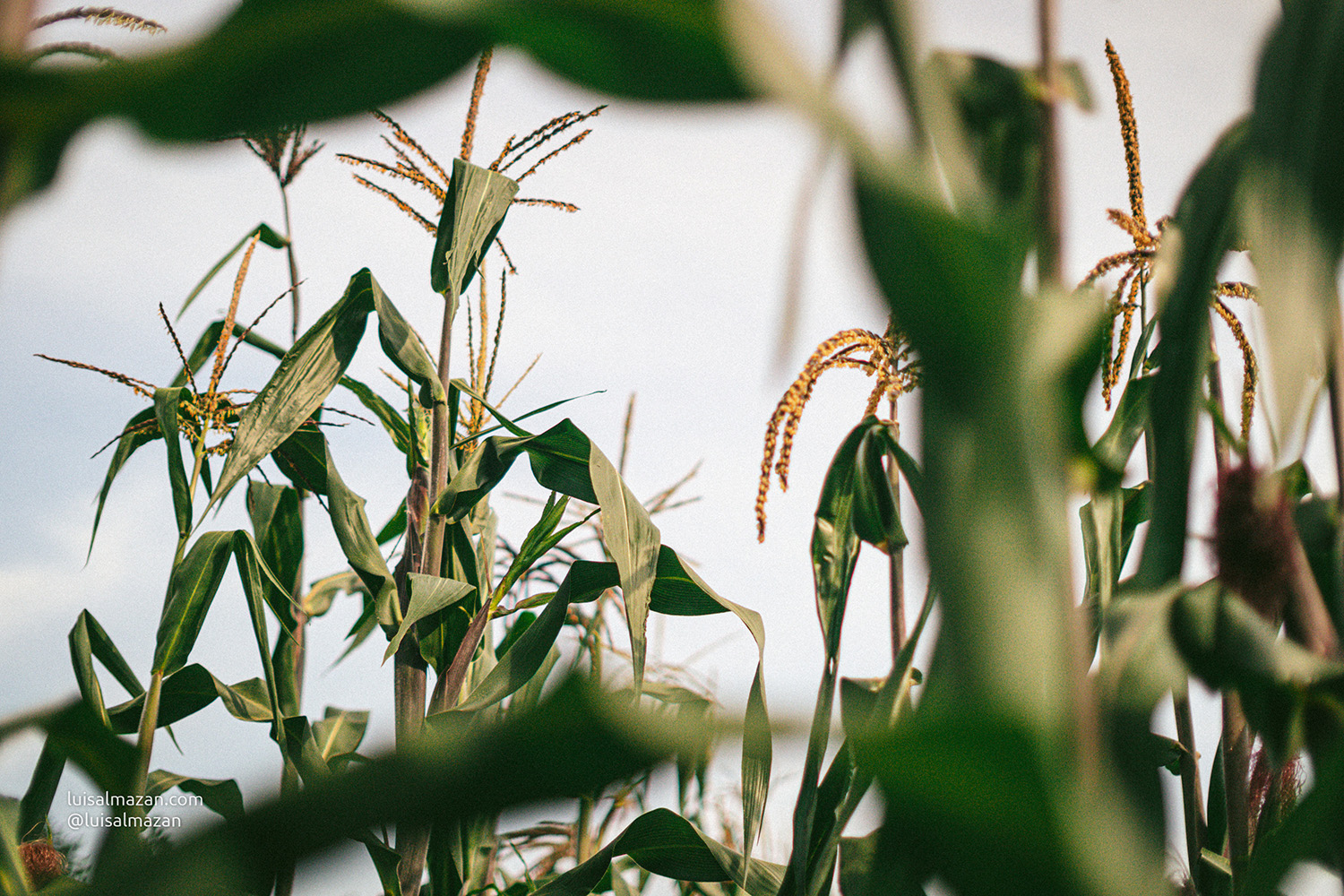
Since 2018, we have been actively adapting Cónico corn seeds from Tlaxcala, Mexico, to the climate of the Pacific Northwest.
Grown at the Maya Garden at UBC in Vancouver, our corn has now been through several generations of adaptation. This migration of the seed mirrors our own story: deeply rooted in Mexican heritage, but thriving and evolving here on Coast Salish Territory.
Working with the Maya Garden has deepened our interest in traditional agriculture, seed preservation, and what it means to grow food with intention on this land. It’s one more way we try to close the distance between where these ingredients come from and where we are now.
Join us!
We invite you to explore our selection and taste the difference that dedication and heritage can make. Whether you’re a culinary enthusiast eager to explore authentic Mexican cuisine or someone looking for healthier, more sustainable food options, Xinachtli offers something unique for your table.
Explore our offerings and order directly through our website, or visit us at local farmers’ markets and select restaurants across Vancouver. Dive into the world of Xinachtli, where every bite tells a story of tradition, quality, and passion.

Price range: $10.50 through $90.00

Price range: $18.00 through $87.00

$12.00


Original price was: $38.00.$33.50Current price is: $33.50.

$9.00